
Solar and backup: two different design questions
A rooftop array generates electricity when sunlight is available. Keeping selected appliances running through an outage also depends on how the inverter, storage and electrical circuits are designed.
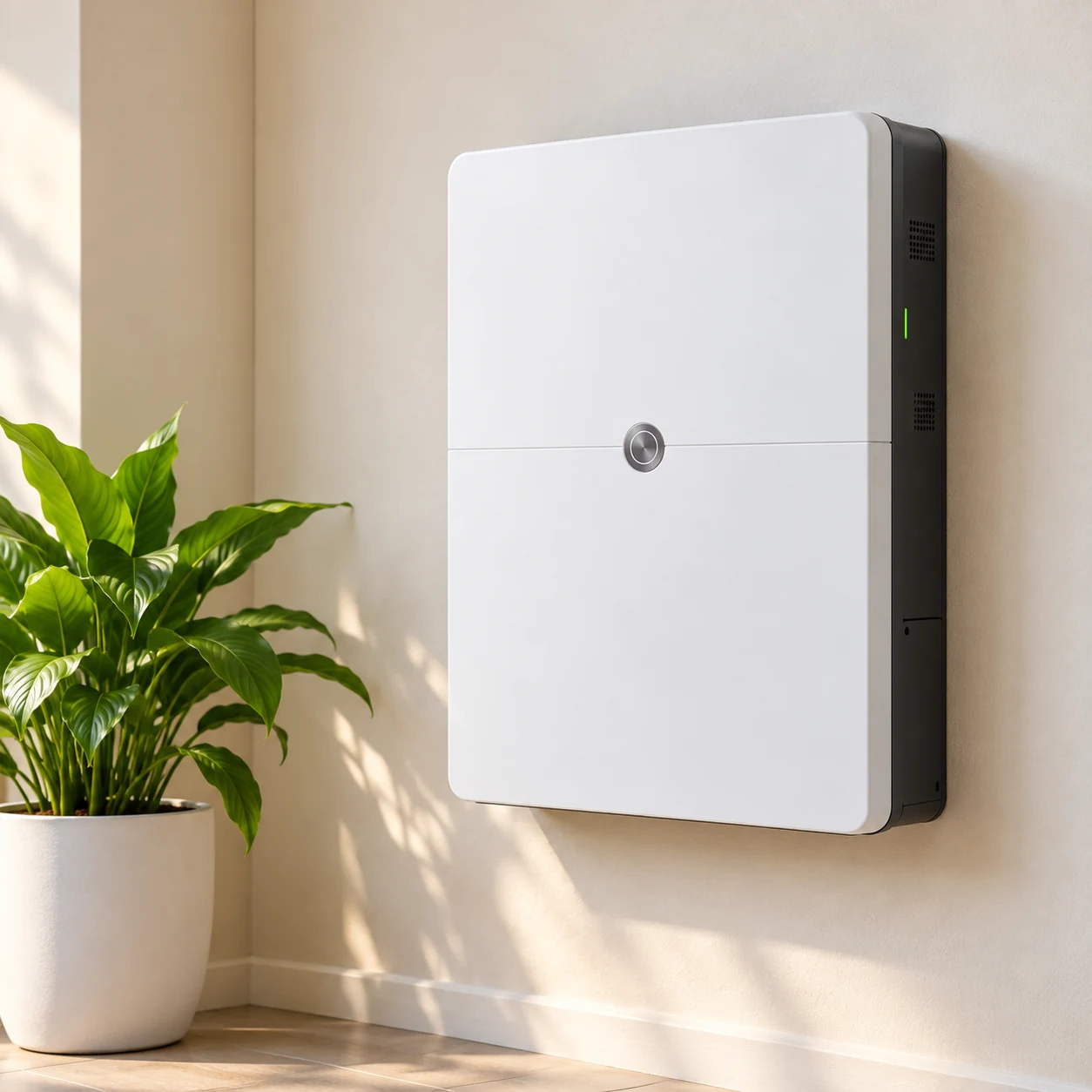
Discuss essential appliances and outage duration before choosing a battery.
Start with essential loads
List the appliances you want to support: for example, lighting, fans, internet equipment and a refrigerator. Record their rated power where available and discuss starting demand for motors or compressors.
The team must consider both how much energy is needed over time and how much power the equipment must deliver at once.
Choose the duration
Think about how long you want those selected loads to operate and how much battery charge may be available when an outage begins. A fully charged battery is a planning scenario, not a guarantee.
Solar conditions, charging settings, the battery operating limits and household behaviour all affect the result.
Confirm the complete system
A battery alone does not make a home backup-ready. Ask how the inverter, protection, switching and essential circuits work together.
Have the installer explain operating modes and safe shutdown at handover. Follow equipment instructions and ask for help before changing settings.